
What Is A Curtain Wall System?
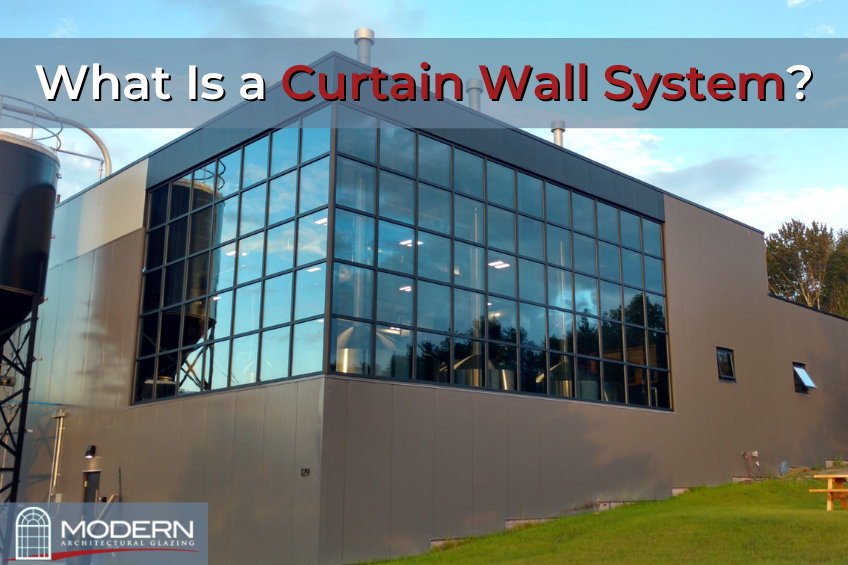
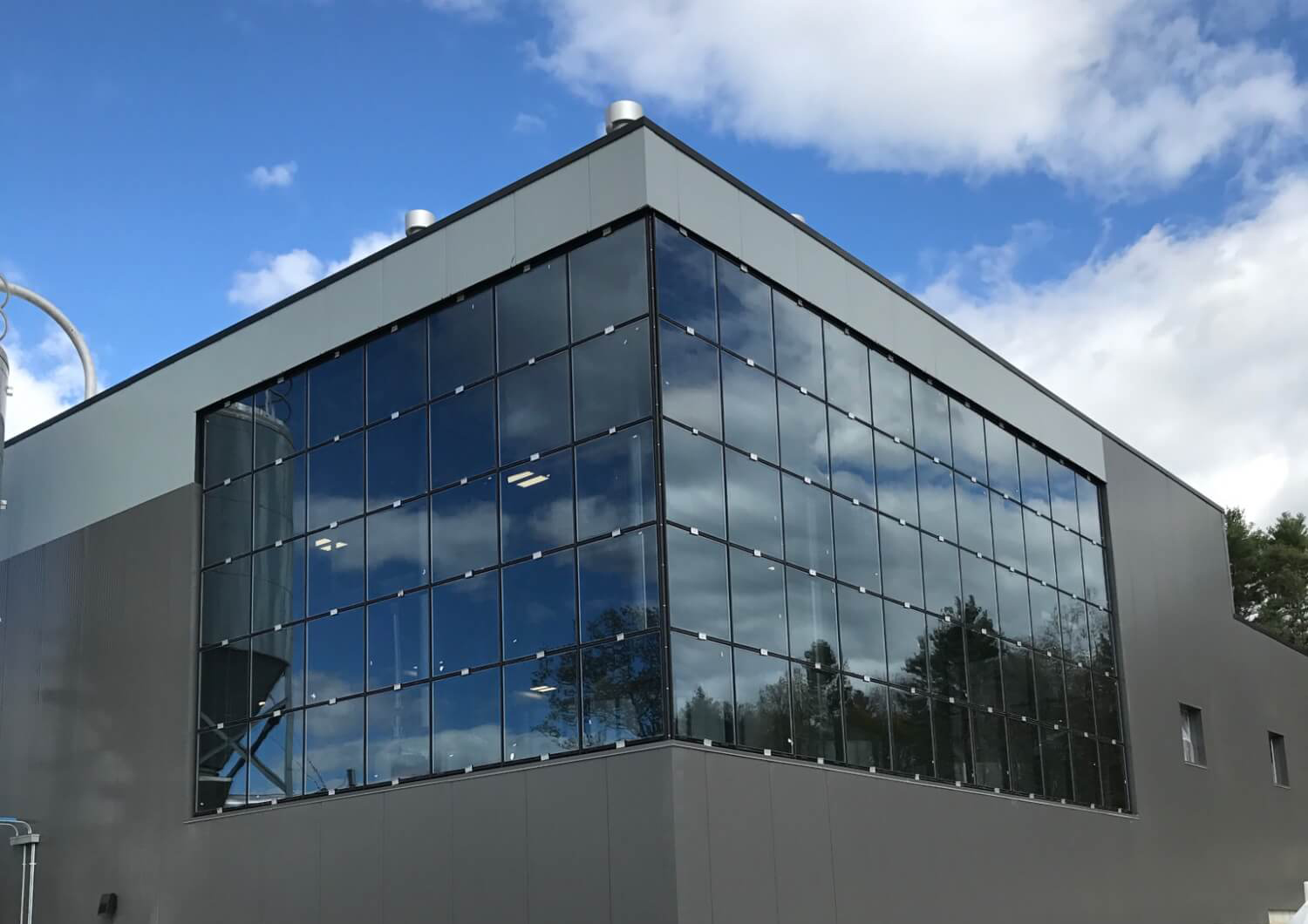
A curtain wall system serves as an external cladding for glass architecture and buildings with non-structural outer walls. Typically, a curtain wall system consists of aluminum-framed commercial glass or metal planes. The Curtain Wall System has been a distinctive feature of modern architecture and has been widely adopted commercially.
The rise in the adoption of the curtain walls has also given an immense boost to the businesses of glass manufacturers and commercial glaziers. It is one of the most sought-after glazing systems that adds to the aesthetic and robust design of the building and, commercially, offers a multitude of advantages.
What We’ll Cover:
What Are the Different Types of Curtain Wall Systems?
Not all curtain wall systems are built or installed the same way. In fact, the method used to fabricate and install a curtain wall can have a big impact on project timelines, costs, and overall performance. Most curtain wall systems fall into one of two main categories, each with its own advantages depending on the size and complexity of the building.
Unitized (or Modular) Curtain Wall Systems
Unitized curtain wall systems are fabricated and glazed off-site in a controlled factory environment. Large sections of the curtain wall are assembled into complete units before being delivered to the job site. Once they arrive, those units are lifted into place and attached to the building structure.
This approach is commonly used on mid-rise and high-rise buildings where speed, consistency, and performance are critical. Because so much of the work happens in the factory, on-site installation moves quickly and is less affected by weather delays. The controlled environment also allows for tighter quality control, which can improve air and water performance over time.
That said, unitized systems do come with trade-offs. Shipping large curtain wall units requires careful logistics, specialized transport, and sometimes escorted deliveries, which can increase freight costs. Still, for large projects with aggressive schedules, unitized systems often make sense because they reduce on-site labor and shorten overall construction time.
Stick-Built Curtain Wall Systems
Stick systems are assembled piece by piece directly on the job site. Individual components — such as mullions, anchors, and glass — are installed sequentially, with glazing happening after the framing is in place.
This method is often a good fit for smaller buildings, lower-rise projects, or sites with limited access where transporting large preassembled units would be impractical. Stick systems also offer more flexibility during installation, which can be helpful for renovations or buildings with unique architectural details.
However, because everything is installed on-site, stick systems typically take longer to complete and require more labor hours. Weather conditions can also affect installation schedules. On the plus side, shipping costs are usually lower since components are delivered in smaller, more manageable sections.
Choosing the Right System
There’s no one-size-fits-all answer when it comes to curtain wall systems. The right choice depends on factors like building height, project schedule, site access, budget, and performance requirements. An experienced commercial glazing partner can help evaluate these variables and recommend the system that best supports your project goals — both during construction and long after the building is complete.
7 Commercial Benefits of Using a Curtain Wall System
Curtain wall systems have become a defining feature of modern commercial architecture—and for good reason. Beyond their clean, contemporary appearance, they offer measurable benefits that impact building performance, operating costs, and long-term value. That’s why architects, developers, and commercial glaziers regularly recommend curtain wall systems for offices, retail spaces, healthcare facilities, and large-scale developments.
Keep reading to learn some of the most important advantages businesses gain from installing a curtain wall system.
1) Strong Visual Impact and Curb Appeal
Curtain walls instantly elevate the exterior of a building. Their sleek glass façades create a polished, professional appearance that helps businesses make a strong first impression. For retail and office environments especially, this visual appeal can attract customers, tenants, and partners while reinforcing brand identity.
2) Durable, High-Performance Construction
Most curtain wall systems are built with aluminum framing, which offers an excellent balance of strength and weight. Aluminum resists corrosion, performs well in harsh weather, and maintains structural integrity over time. This durability helps extend the lifespan of the building envelope while minimizing long-term maintenance needs.
3) Design Flexibility and Customization
Curtain walls offer architects and developers significant design freedom. Aluminum framing can be fabricated into a wide range of shapes and configurations, allowing for custom layouts, unique sightlines, and branding-focused designs. Whether the goal is floor-to-ceiling glass or a mix of opaque and transparent panels, curtain wall systems can be tailored to meet specific project requirements.
4) Reduced Structural Load and Construction Costs
Because curtain walls are lightweight and non-load-bearing, they place less stress on the building’s structural framework. This can reduce overall construction costs and allow for more efficient structural design, especially in multi-story buildings.
5) Improved Energy Efficiency and Lower Utility Costs
Modern curtain wall systems are engineered to improve thermal performance. With insulated glass, thermal breaks, and advanced coatings, they help stabilize interior temperatures, reduce heat loss in winter, and limit heat gain in summer. This translates to lower heating, cooling, and lighting costs while also minimizing UV penetration that can damage interior finishes.
6) Enhanced Safety and Environmental Protection
Curtain wall systems are designed to resist wind loads, manage water infiltration, and block airborne pollutants. Many systems also incorporate fire-resistant and laminated glass options that help slow fire spread and enhance occupant safety during emergencies.
7) Brighter, More Comfortable Interiors
By maximizing natural daylight, curtain walls create brighter, more open interior spaces. This not only improves the visual appeal of the workplace but also contributes to a more comfortable and productive environment for employees and visitors.
In short, curtain wall systems offer far more than modern aesthetics—they provide performance, protection, and long-term value that make them a smart investment for commercial buildings of all sizes.
Key Takeaways
Curtain walls are an icon of contemporary architecture and render structural stability to the building. They can also function as a protection for your building model, keeping the interior safe and appeasing at the same time. Moreover, it can even gain business owners long-term commercial benefits, such as low maintenance costs and mitigating repair costs. In the long run, it can prove to be a cost-effective investment. Hence, a curtain wall system can be a perfect addition to your business buildings and offices.
THE HIGHEST-RATED CURTAIN WALL SYSTEMS IN MASSACHUSETTS
At Modern Glazing, we offer an extensive portfolio of commercial doors and entryways to make the most out of your storefront. As MA’s leading commercial glass company, we provide versatile, durable, and functional designs for glass storefronts. Since 1952, we’ve built custom commercial and architectural glass installations for businesses all over New England. View our commercial glass portfolio today to see how our architectural glass company can elevate your business.
Your satisfaction is our priority. We perform a walk-through upon project completion to ensure you love every detail of your glass installation.
You can also follow us on Instagram for project updates to see our latest glass installations!