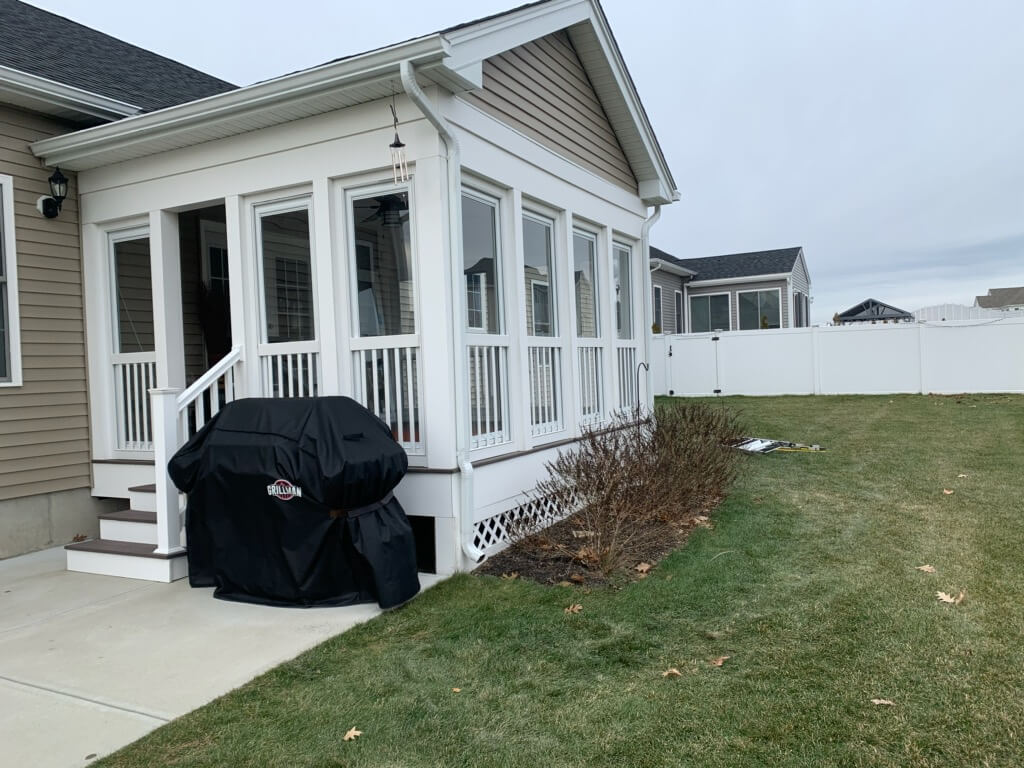

Repair, Renovate, or Replace? Your Guide to Fix Sunroom Glass
You’ve had all summer to use your sunroom. Have you noticed a screen that keeps coming loose? A window that fogs up every humid morning? Maybe water showed up where it definitely shouldn’t after the last heavy rain.
Those little annoyances are worth noticing, especially as colder New England weather gets closer.
The good news is that an aging sunroom doesn’t automatically mean you need to start over. Some problems call for a straightforward sunroom repair. Others suggest a larger sunroom renovation makes more sense. And if the structure itself is reaching the end of its useful life, replacement may ultimately give you better value than continuing to patch the same problems.
So where do you start? Let’s look at the signs your sunroom glass is giving you and what they could mean for your next project.
What We’ll Cover:
- How do I inspect my sunroom?
- When does sunroom repair make sense?
- When is it time for a full sunroom renovation?
- Could better sunroom windows solve my problem?
- When does replacing a sunroom make more sense?
- When should I schedule professional sunroom glass work?
- Key takeaways
1) How Do I Inspect My Sunroom?
Before assuming you need a major renovation, take a moment to inspect the room closely.
Check your screens for tears, sagging sections, or edges pulling away from the frame. Check your sunroom windows for cracks, condensation, fogging, or damaged seals. Open and close the windows and doors to see whether they still operate smoothly.
Then look around the room after a rainstorm. Water stains, damp framing, or small puddles can point to leaks that deserve attention before they spread.
No one wants bugs getting in through a torn screen. But does one damaged panel mean you need a complete sunroom renovation? Usually not.
The real question is whether you’re dealing with one isolated issue or several problems happening at the same time. That distinction can help determine whether repair or renovation makes more sense.
2) When Does Sunroom Repair Make Sense?
A targeted sunroom repair is often the best place to start when the room is still in good condition overall.
For example, you can often replace a damaged screen without disturbing the rest of the enclosure. A worn seal, sticking window, loose piece of hardware, or isolated leak may also be repairable without turning the project into a larger renovation.
Addressing problems early can save you trouble later. A small tear in a screen can become a much larger opening. A minor leak that seems harmless in August may create more problems once fall rain and winter weather arrive.
If one screen panel tears or a single window seal fails, do you really need to tear the whole room apart? Probably not.
The goal should be to fix the actual problem without replacing components that are still performing well. A professional inspection can help separate normal wear from issues that could affect the sunroom glass or framing.
3) When Is It Time for a Full Sunroom Renovation?
There comes a point when repeatedly repairing an older sunroom stops being the economical option.
Maybe you’ve replaced several screens over the past few years. Now multiple sunroom windows are fogging. One corner leaks when the rain blows in a certain direction, and the room feels noticeably draftier every fall.
If you’re calling for another repair every season, it may be time to look at the room as a whole.
A sunroom renovation allows you to address several aging components at once. Depending on the enclosure’s condition, that could mean replacing windows, installing new screens, improving weather sealing, repairing framing, or upgrading older sunroom glass.
Renovation can also make sense when the room still works but no longer fits how you use your home. Maybe you want better ventilation, clearer views, easier-to-operate windows, or a space that stays comfortable longer.
Instead of patching individual problems, a renovation lets you improve both the room’s appearance and everyday performance.
4) Could Better Sunroom Windows Solve My Problem?
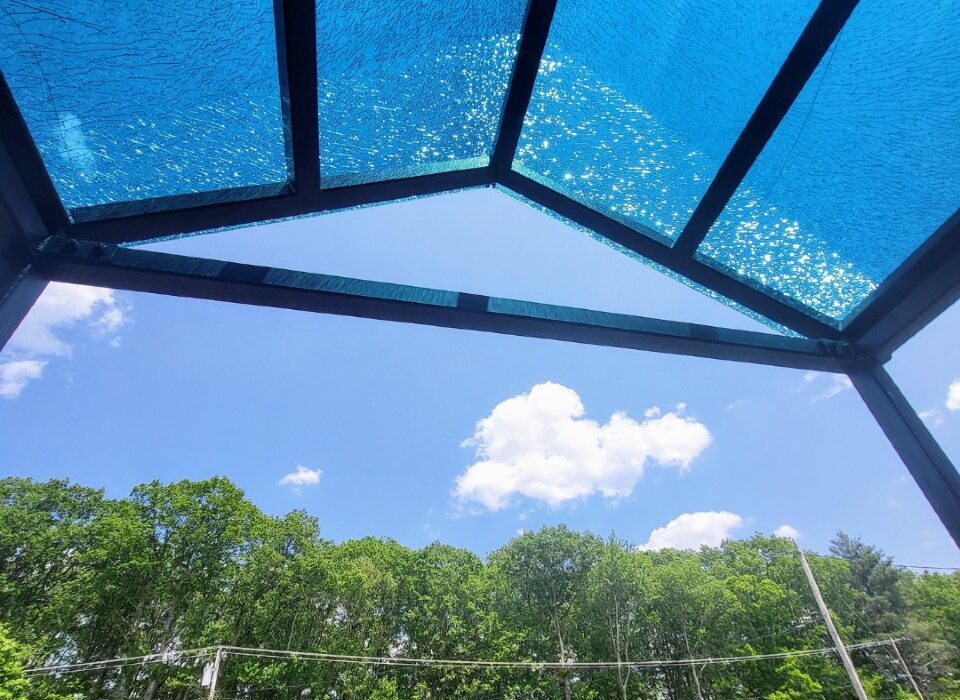
Sometimes the enclosure itself is perfectly sound. The weak point is the glass.
Older sunroom windows may develop failed seals, drafts, condensation, cracks, or operating problems. They may also transfer more heat than newer glazing options, making the room uncomfortable in very hot or cold weather.
Does the room itself feel solid, but it’s roasting in July and chilly by October? The glass may be part of the problem.
Depending on how your sunroom was built, replacing or upgrading the windows may improve comfort without requiring a complete rebuild. Modern insulated glass and improved sealing can help reduce drafts and temperature swings while preserving the views and natural light that made you enjoy the room in the first place.
You can also incorporate window replacement into a larger sunroom renovation if other parts of the enclosure need attention. The important part is diagnosing the source of the problem before assuming the entire room needs replacement.
5) When Does Replacing a Sunroom Make More Sense?
Repair and renovation can solve a lot, but they can’t fix every aging enclosure.
If the room has extensive rot, corrosion, recurring water intrusion, major frame deterioration, or several systems failing at once, replacement may be worth considering. The same applies if the original room was poorly constructed or no longer matches what you want from the space.
At that point, continuing to spend money on repairs can become frustrating.
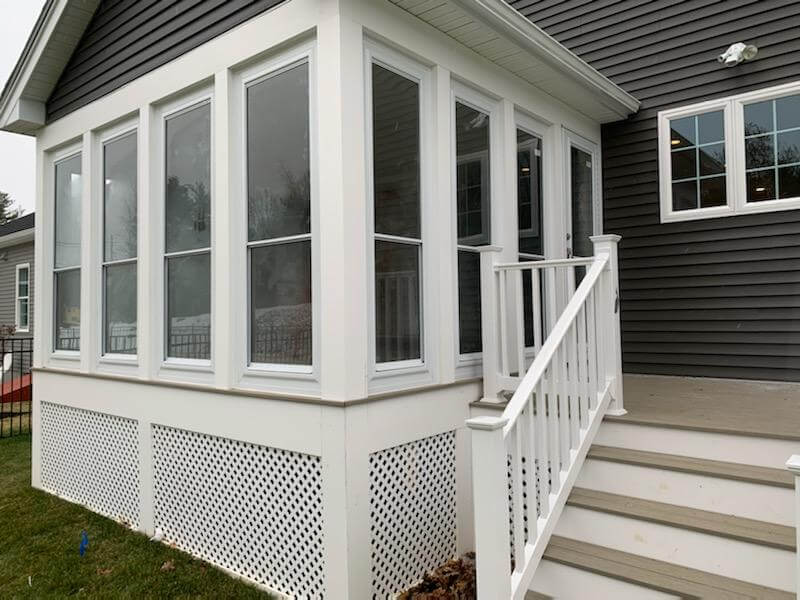
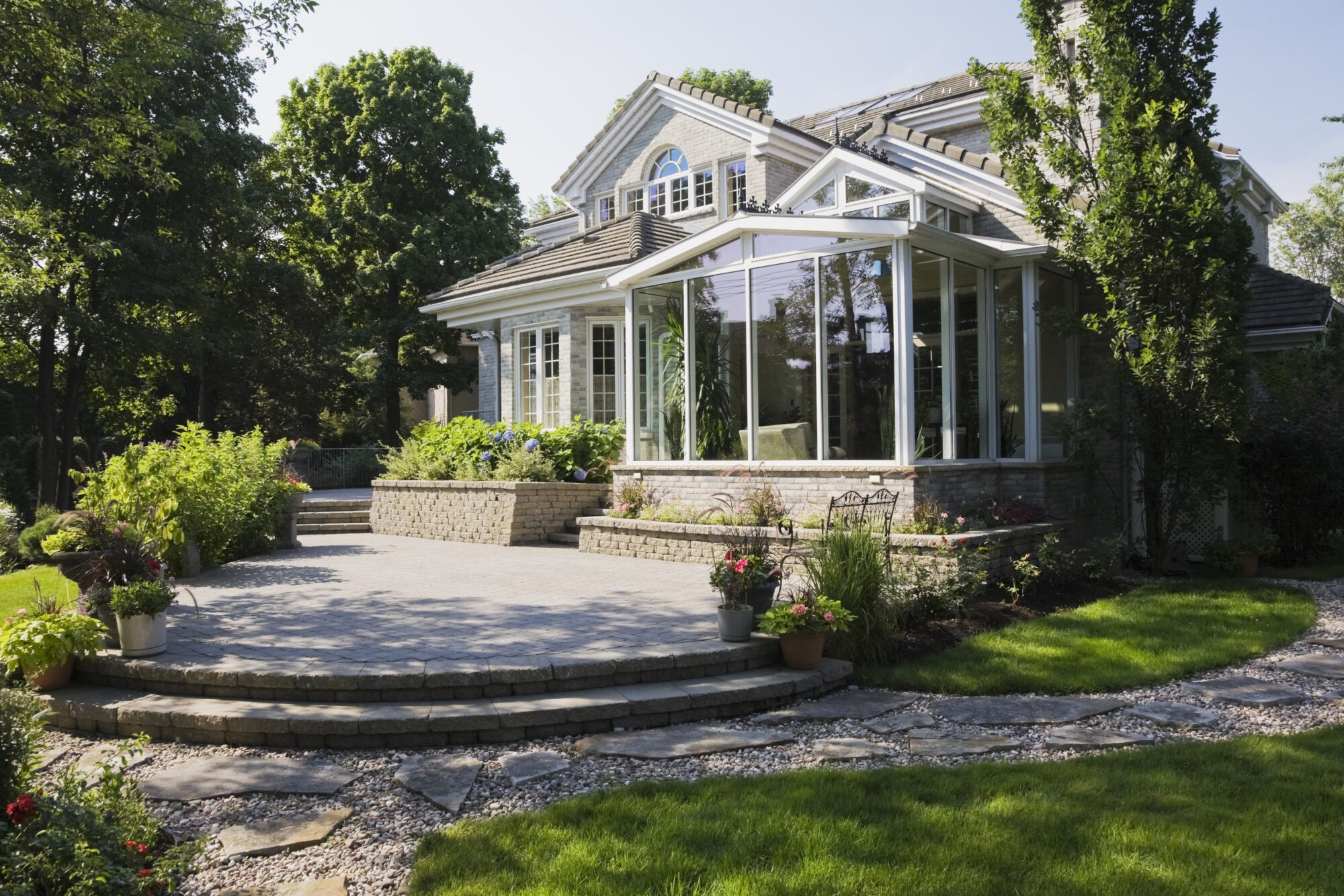
Replacement also allows you to rethink the room entirely. An older seasonal enclosure might eventually become a redesigned sunroom addition with better glass, updated framing, improved screens, or a layout that works better for your family.
That doesn’t mean replacement should always be the first recommendation—quite the opposite. A good contractor should be able to explain what can still be repaired, what should be upgraded, and what has genuinely reached the point where replacement makes more sense.
6) When Should I Schedule Professional Sunroom Glass Work?
Late summer and early fall are a useful time to evaluate your sunroom because you’ve just spent several months using it.
You already know which windows stick, where bugs seem to find their way inside, whether the room gets too hot, and which leak mysteriously appears during a hard rain.
Inspect the screens, seals, framing, doors, and glass before colder weather exposes those weaknesses even further. New England fall storms, freezing temperatures, and winter snow can turn minor issues into larger ones.
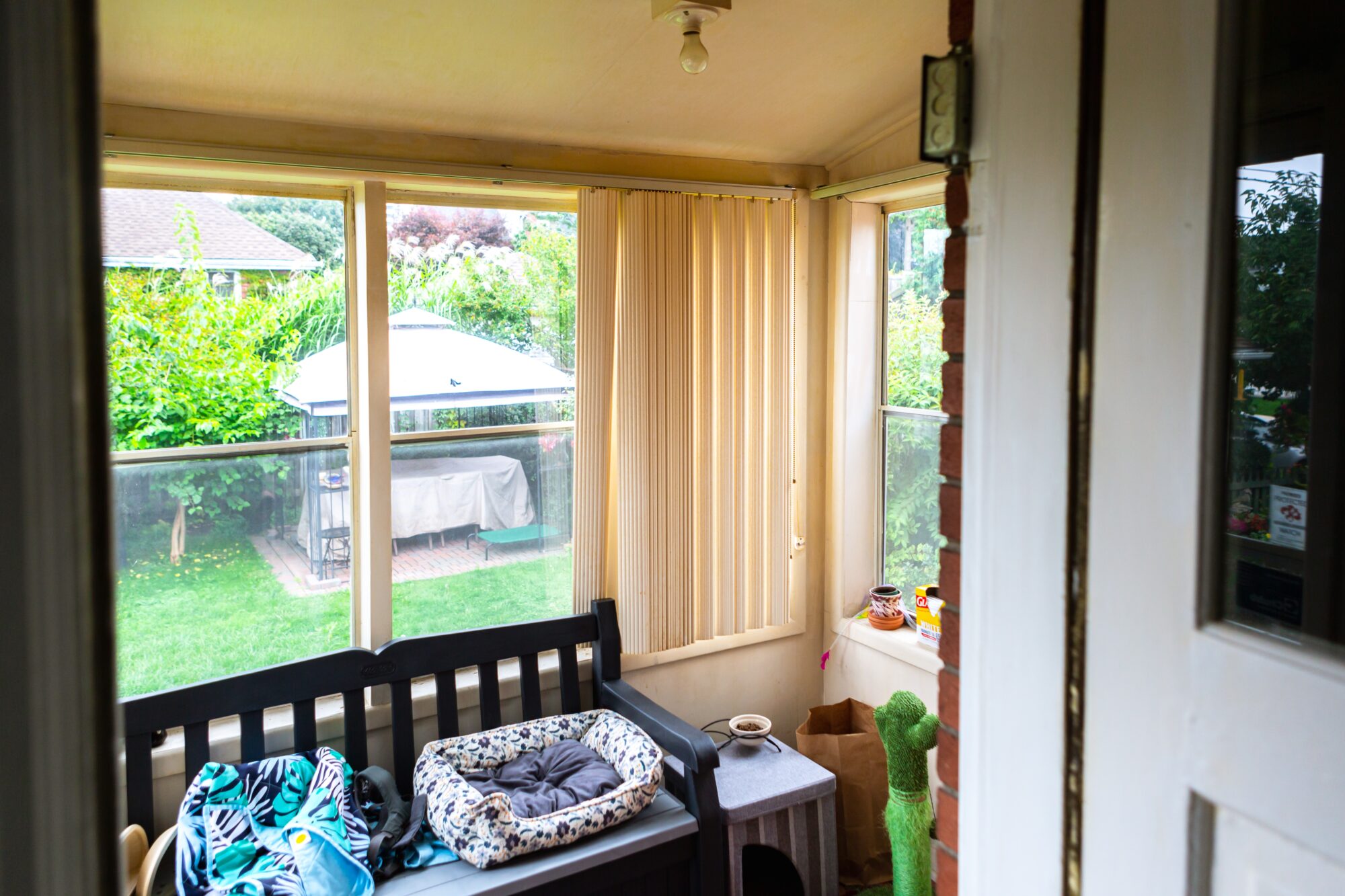
If something bothered you about your three-season room or four-season room all summer, now is a good time to figure out whether it needs a quick repair or something more substantial.
Key Takeaways
- Small, isolated problems can often be resolved with professional sunroom repair rather than a complete renovation.
- Recurring leaks, drafts, screen damage, and multiple failing components may indicate that a larger sunroom renovation makes more financial sense.
- Aging sunroom windows can affect comfort, insulation, visibility, and everyday usability without necessarily requiring replacement of the entire enclosure.
- Significant rot, corrosion, structural damage, or widespread water problems may make replacement more practical than repeated repairs.
- A new sunroom addition may be worth considering if your existing room can no longer meet your needs or would require extensive rebuilding.
- Late summer/early fall is the ideal time to inspect a seasonal room before colder New England weather arrives.
- A professional evaluation can help determine which parts of the room to repair, upgrade, or replace.
YOUR #1 RESOURCE TO FIX SUNROOM GLASS IN MA
Modern Architectural Glazing has been working with homeowners throughout Massachusetts and New England for decades. From screens and residential glass to replacement sunroom windows and complete seasonal room projects, our team can help you determine the most practical next step for your existing enclosure.
Whether you need a straightforward sunroom repair or are considering a more complete sunroom renovation, Modern Glazing can assess your space and help you plan a solution that fits your home.
Explore our residential glass portfolio or contact us today to request a free quote for your sunroom project.
You can also follow us on Instagram for project updates to see our latest glass installations!